You are using an out of date browser. It may not display this or other websites correctly.
You should upgrade or use an alternative browser.
You should upgrade or use an alternative browser.
FONTY - work commences
- Thread starter rejhall2
- Start date


hey your bad mouthing commer prize winners there - oh hang on what was the prize for again.....
The Dog is home....

http:www.singleusemedical.co.uk
my new business
The Dog is home....
http:www.singleusemedical.co.uk
my new business

but some one stole Fontys trophy !
Hes looking lush when I win euro millions am going to treat myself & Cara to a camper each!
Commer Dandy by Dandy Caravans
The Colonel Mustard
Hes looking lush when I win euro millions am going to treat myself & Cara to a camper each!
Commer Dandy by Dandy Caravans
The Colonel Mustard
quote:
Originally posted by Suinnyboy
Oil runs at a higher temp than water and the scales and senders would be too low, but might work for you over there. If my memory is correct the scale on the Range Rover went to 140 Deg C, and out her in the summer with it loaded and the rally car behind on the trailer it would easily get to 130 Deg on a long climb. Find an early Range Rover up to 1984, they all had the 4 additional gauges in the dash. The gauges varied model to model and some lost the oil temp, replaced by a volt meter. It was the only car that I was aware of that had an Oil Temp Gauge fitted as standard. It was predictably a Smiths gauge 2", you do see them come up on EBay time to time.
If anyone should decide to fit one here's a smart way of doing it. Firstly get rid of your Oil Pressure gauge and fit the oil temp gauge in its place keeps things looking original. Oil Pressure gauges don't really tell you much, in reality you either have oil pressure or something is buggered and you don't. A warning light is always a better option and immediately noticed, especially when set up with an adjustable sender unit. I had this set up on the rally car, with the warning light setup to go off at around 40PSI. Light comes on, shut off the motor while there's still some oil pressure. On some hot days the oil light would come on at idle, but a blip of the throttle would make it go away, with a look at the Oil Temp Gauge you would notice the oil temp up. Oil temp up means more viscious/runny oil = drop in oil pressure at idle, hence light is on. If necessary you can drop the set point as the sender unit is adjustable.
This is what I fitted on my rally car after the mechanical oil Pressure gauge Tee piece snapped off the block while competing. Too busy to notice the gauge at the time the light quickly alerted me to the drop in oil pressure and shut it down, preventing any damage to the motor. A friend at the time who rallied a Mazda RX3, decided to fit an Oil Pressure gauge and choose not to reconnect the warning light sensor as he didn't have a tee piece, unfortunately some time later he burst an oil cooler hose, loosing all his oil, and only stopped when he got a wiff of burning oil on the exhaust, and was confronted with an very expensive rebuild.
If you should choose to run a pressure gauge and warning light get a braided flexible hose made up so you can mount the sender units on the body work, similar to what you do with your ignition coils. This is even more important when you have a big electric pressure sender unit. The combined weight of the senders plus vibration of the motor can lead to the Tee piece snapping off as it did for me. These Tee piece fittings are often brass 1/8" BSP off the motor and there really isn't alot of material or strength in them, not to mention the quality and questionable grades of brass coming out of some countries these days.
Cheers for now
Stephen
i forgot to say rather rudely - thanks for taking the time to give such a comprehensive post. Its the best forum in any walk of life I have been on for getting help advice or just general chat without the crap you get on forums from football to it etc etc
Rob lou & Millie (fonty's carers)
Originally posted by Suinnyboy
Oil runs at a higher temp than water and the scales and senders would be too low, but might work for you over there. If my memory is correct the scale on the Range Rover went to 140 Deg C, and out her in the summer with it loaded and the rally car behind on the trailer it would easily get to 130 Deg on a long climb. Find an early Range Rover up to 1984, they all had the 4 additional gauges in the dash. The gauges varied model to model and some lost the oil temp, replaced by a volt meter. It was the only car that I was aware of that had an Oil Temp Gauge fitted as standard. It was predictably a Smiths gauge 2", you do see them come up on EBay time to time.
If anyone should decide to fit one here's a smart way of doing it. Firstly get rid of your Oil Pressure gauge and fit the oil temp gauge in its place keeps things looking original. Oil Pressure gauges don't really tell you much, in reality you either have oil pressure or something is buggered and you don't. A warning light is always a better option and immediately noticed, especially when set up with an adjustable sender unit. I had this set up on the rally car, with the warning light setup to go off at around 40PSI. Light comes on, shut off the motor while there's still some oil pressure. On some hot days the oil light would come on at idle, but a blip of the throttle would make it go away, with a look at the Oil Temp Gauge you would notice the oil temp up. Oil temp up means more viscious/runny oil = drop in oil pressure at idle, hence light is on. If necessary you can drop the set point as the sender unit is adjustable.
This is what I fitted on my rally car after the mechanical oil Pressure gauge Tee piece snapped off the block while competing. Too busy to notice the gauge at the time the light quickly alerted me to the drop in oil pressure and shut it down, preventing any damage to the motor. A friend at the time who rallied a Mazda RX3, decided to fit an Oil Pressure gauge and choose not to reconnect the warning light sensor as he didn't have a tee piece, unfortunately some time later he burst an oil cooler hose, loosing all his oil, and only stopped when he got a wiff of burning oil on the exhaust, and was confronted with an very expensive rebuild.
If you should choose to run a pressure gauge and warning light get a braided flexible hose made up so you can mount the sender units on the body work, similar to what you do with your ignition coils. This is even more important when you have a big electric pressure sender unit. The combined weight of the senders plus vibration of the motor can lead to the Tee piece snapping off as it did for me. These Tee piece fittings are often brass 1/8" BSP off the motor and there really isn't alot of material or strength in them, not to mention the quality and questionable grades of brass coming out of some countries these days.
Cheers for now
Stephen
i forgot to say rather rudely - thanks for taking the time to give such a comprehensive post. Its the best forum in any walk of life I have been on for getting help advice or just general chat without the crap you get on forums from football to it etc etc
Rob lou & Millie (fonty's carers)
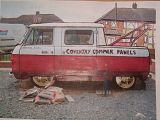


Top notch Woolfy
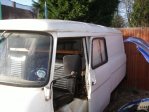
"You,re only supposed to blow the bloody SLIDING doors off"
"You,re only supposed to blow the bloody SLIDING doors off"
wicked  ,....
,....
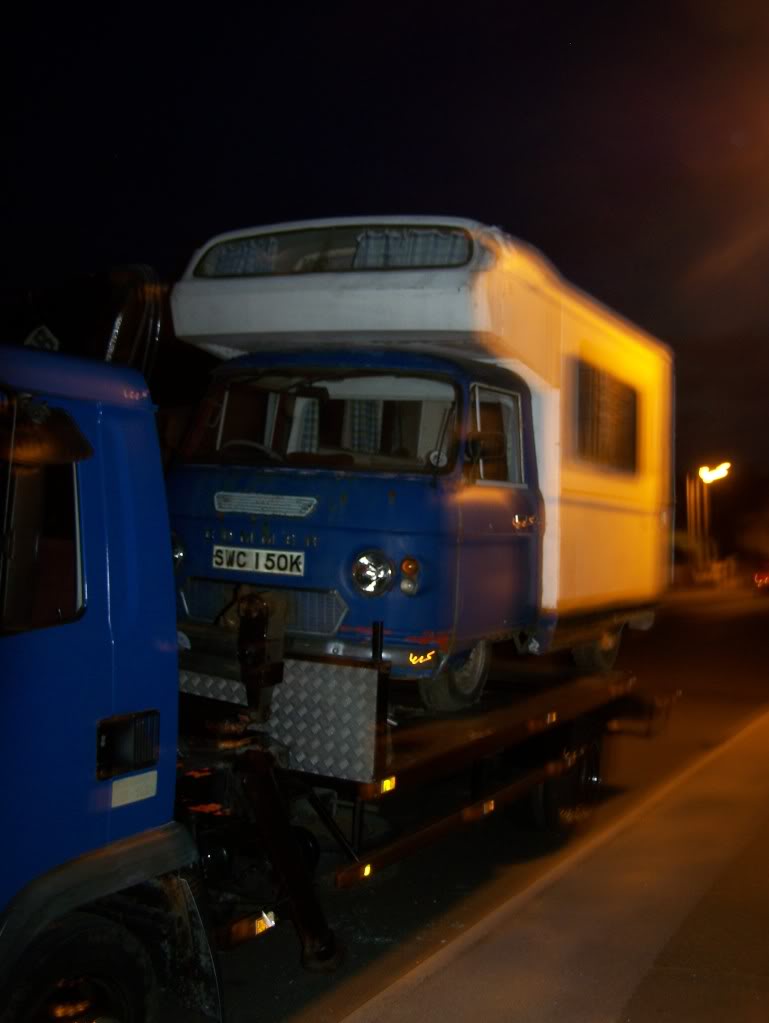
but I did like the old blue
I want to send The Colonel round[xx(][V]
Commer Dandy by Dandy Caravans
The Colonel Mustard
,....but I did like the old blue
I want to send The Colonel round
[xx(][V]Commer Dandy by Dandy Caravans
The Colonel Mustard

quote:
Originally posted by commerchris
wicked ,....
but I did like the old blue
I want to send The Colonel round[xx(][V]
Commer Dandy by Dandy Caravans
The Colonel Mustard
Ford Tractor blue wasn't it, I seem to remember there was a reminder painted on the rear doors behind the cupboards
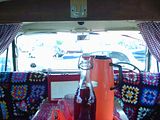
How refreshing
Originally posted by commerchris
wicked
,....but I did like the old blue
I want to send The Colonel round
[xx(][V]Commer Dandy by Dandy Caravans
The Colonel Mustard
Ford Tractor blue wasn't it, I seem to remember there was a reminder painted on the rear doors behind the cupboards
How refreshing


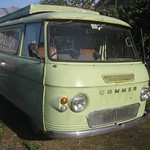
Having seen Fonty in the old blue, I thought the new colour looked a little washed out, but I think that may just have been due to the lighting. These new photos show it in a different shade, particularly the front view and in my opinion it looks stunning, as does the whole restoration.
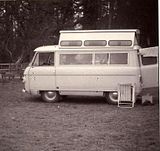
'I intend to live forever - so far, so good'
'I intend to live forever - so far, so good'