Thats ideal thanks alot martin! Looks like i had better get cracking on with building new panels

You are using an out of date browser. It may not display this or other websites correctly.
You should upgrade or use an alternative browser.
You should upgrade or use an alternative browser.
techniques on how to replace panels and repairs
- Thread starter woolfy
- Start date
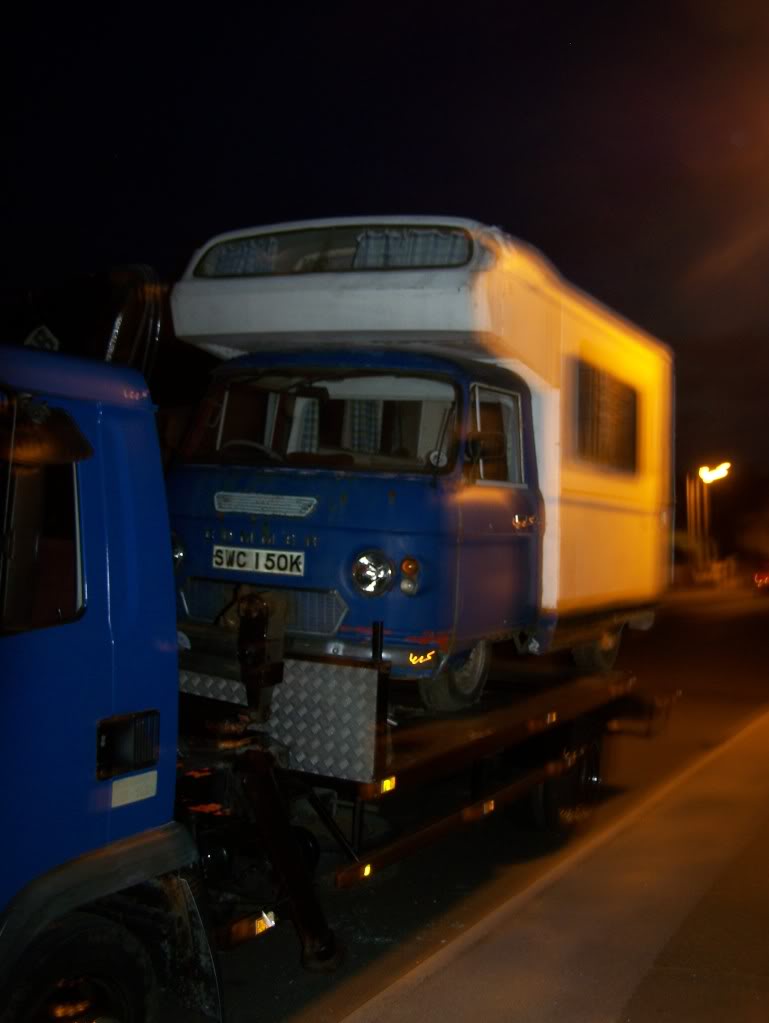
Right, i have been attacking the peak tonight, im fairly happy how its coming out. Once its done i will need to also rebuild/replace the closing panel that sits under the peak. There is little to none of my original one left. What can i do? Is there any templates available?


I thought I would get this thread going again.
When butt welding panels or sheet metal, it is very important that you leave a gap between the panels and not push them tight.
Ideally you want to leave the same thickness as the sheet metal you are welding.
(I think this was mentioned the other day on this forum somewhere else aswell)
View the Commer resto thread here http://66.129.69.181/forum/topic.asp?TOPIC_ID=3555 And more pics here: http://s786.photobucket.com/albums/yy149/bazil1972/

When butt welding panels or sheet metal, it is very important that you leave a gap between the panels and not push them tight.
Ideally you want to leave the same thickness as the sheet metal you are welding.
(I think this was mentioned the other day on this forum somewhere else aswell)
View the Commer resto thread here http://66.129.69.181/forum/topic.asp?TOPIC_ID=3555 And more pics here: http://s786.photobucket.com/albums/yy149/bazil1972/

Good thread
I need to learn to weld..however I will probably get someone in to fill the window gaps with PANEL!
**************

Percy-1975 Highwayman
I need to learn to weld..however I will probably get someone in to fill the window gaps with PANEL!
**************
Percy-1975 Highwayman
quote:
Originally posted by Enigma
Why?
Because I doubt I will have the skill to weld in the side panels without distorting the sheet metal[} ]
]
(EDIT- Just noticed you amended your post)
**************
Percy-1975 Highwayman
Originally posted by Enigma
Why?
Because I doubt I will have the skill to weld in the side panels without distorting the sheet metal[}
](EDIT- Just noticed you amended your post)
**************
Percy-1975 Highwayman

Don't be afraid of welding. Have a look at your local FE college and see if they are running any courses after Easter. I have just completed a welding course at the West Suffolk College and it has done my confidence no end of good.
'I intend to live forever - so far, so good'
'I intend to live forever - so far, so good'
I too was told to leave a gap on thicker metal, but on thin guage metal I was told to butt the pieces together at the start and tack both ends. The heat from these tacks will most likely create a small gap along the join, adequate for good penetration. If you don't tack both ends, the gap may grow as you progress along the join. You then continue tacking along the length spacing the tacks so as to avoid heat distortion, until you have joined them all up with no gaps left. Using this method I joined two pieces of very thin guage metal. I then ground down the weld so that it was flush and then my tutor placed it on a press to test it to destruction. It bent but did not break.
'I intend to live forever - so far, so good'
'I intend to live forever - so far, so good'

I can only speak from my gas welding experience as i never got on with mig/tig/stick
I found that a gap of the metal thickness allows the weld pool flow as the gap causes a wicking action and almost draws the weld along. It also allows the weld to be a lot more flush. I cant remember which is called which (right or left handed welding) but i always used the method where the flame is angled to preheat the metal yet to be welded. Always take care when going over tack welds as you can tend to slow down which may cause a blow through - also dont stop if you get a blob - you will blow through. If you feel you are having to rush to stop blowthrough you are using too big a nozzle, always dip dip dip the filler rod into the weld pool never into the tip of the flame. If you have some scrap sheet practice - its amazing how relaxing gas welding can be if its going right!
If stick welding especially with a "home" welding system try to ensure your rods are dry - i mean really dry, if possible put them in a low electric oven for a few hours prior to using and if possible only remove one at a time as needed. (I used to be qualified in weld inspection many years ago). Welding rod flux coating is hygroscopic and can absorb moisture from the air. This doesnt cause any real problems when welding but will cause Hydrogen embrittlement of the transition area between parent metal and weld which can cause weakness. Luckily these problems dont occur with Mig & Tig - but watch out for cowboys, I have seen people using CO2 as a shield which can result in extra carbon forming in the weld which makes it hard but more brittle.
The Dog is on its way....
I found that a gap of the metal thickness allows the weld pool flow as the gap causes a wicking action and almost draws the weld along. It also allows the weld to be a lot more flush. I cant remember which is called which (right or left handed welding) but i always used the method where the flame is angled to preheat the metal yet to be welded. Always take care when going over tack welds as you can tend to slow down which may cause a blow through - also dont stop if you get a blob - you will blow through. If you feel you are having to rush to stop blowthrough you are using too big a nozzle, always dip dip dip the filler rod into the weld pool never into the tip of the flame. If you have some scrap sheet practice - its amazing how relaxing gas welding can be if its going right!
If stick welding especially with a "home" welding system try to ensure your rods are dry - i mean really dry, if possible put them in a low electric oven for a few hours prior to using and if possible only remove one at a time as needed. (I used to be qualified in weld inspection many years ago). Welding rod flux coating is hygroscopic and can absorb moisture from the air. This doesnt cause any real problems when welding but will cause Hydrogen embrittlement of the transition area between parent metal and weld which can cause weakness. Luckily these problems dont occur with Mig & Tig - but watch out for cowboys, I have seen people using CO2 as a shield which can result in extra carbon forming in the weld which makes it hard but more brittle.
The Dog is on its way....
you tend to find that if you dont leave a small gap you wont always get a good penatration, and the weld is more ontop of the two plates of metal instead of joining them together,which when you grind them down to get them flat you will sometimes notice a very faint hair line crack appears and the two plates will snap apart under a little stress.
Big Bad Woolf
Big Bad Woolf