Definitely run a thermostat. The over-riding purpose of a thermostat is to maintain a relatively constant temperature of the metals in the motor and there by keep clearances of the rotating and other moving parts in a motor consistent. All metals have different co-efficents of expansion when subject to heat, so without a thermostat those clearance will grow and shrink as the work load on the motor varies. We have cast iron blocks, steel cranks and aluminium pistons to name a few parts. Aluminium has one of the highest expansion rates of all the metals, so it will grow/shrink more so than the cylinder bores in the block as a result of temperature change.
The best example I can give if not running a thermostat is when climbing a large hill/mountain. Assuming you have a reasonable cooling system that copes in most weather conditions. As you work the motor harder up the climb the temperature will increase to maximum point the cooling system can cope with, usually without overheating. Now the motor is very hot and the metals are expanded to their maximum. As you crest the hill and head down the other side the motor is now doing very little work on a trailing throttle, and the temperature starts to fall. Without a thermostat the temperature will continue to fall as the cooling system is still in effect working at the same capacity as it was climbing the hill, but now the motor is doing little or no work. The cooling system will now take too much heat out of the engine and all the engine parts will "shrink" accordingly.
This is the point of the thermostat, it starts closing off the cooling system around 74-82 degrees C to stop the metals shrinking too much. Conversely the thermostat it closed in the morning, holding the coolant within the motor when you first start up. It helps the motor warm up quicker as flow to the radiator does not start until operating temperature is approached and the thermostat starts to open and let coolant through to the radiator controlling the flow to maintain the desired operating temperature
Drive a car with no thermostat in the winter going down hill for a while with the heater on, you'll quickly realise the heater's not working as well as it did on the way up the hill. If you run a temperature gauge you can see how much it varies with out the thermostat. This is why thermostats are so important in a motor and without one you will, over time, create excessive wear as the motor clearances open and close as you work your motor.
Use a good quality thermostat only, as cheaper ones can fail to open fully, resulting in the flow in the cooling system to be restricted and reduce what cooling capacity you actually have, resulting in higher operating temps or overheating. Use good quality coolant, I run Nulon (not sure if you have it) at a 50/50 mix in my Mitsubishi L300 Express as I have in all my cars over the years, this will raise the boil point of your coolant to around 130 Degrees C. The good brands will usually have the water/coolant ratios on the bottle and what the boil/freeze points change to. I have a thermo fan and also run a 16 row oil cooler, as heat is a far greater issue here in Australia than most of you have to cope with. With this on the Express the water temp sits between 85 and 90 Degrees C and the Oil temp pretty much the same regardless what the weather is or the traffic conditions or speed.
I hope this all makes sense, didn't mean to be so long winded, but the humble $15-20 thermostat is a lot more important to a motor than most realise
Cheers All
Stephen

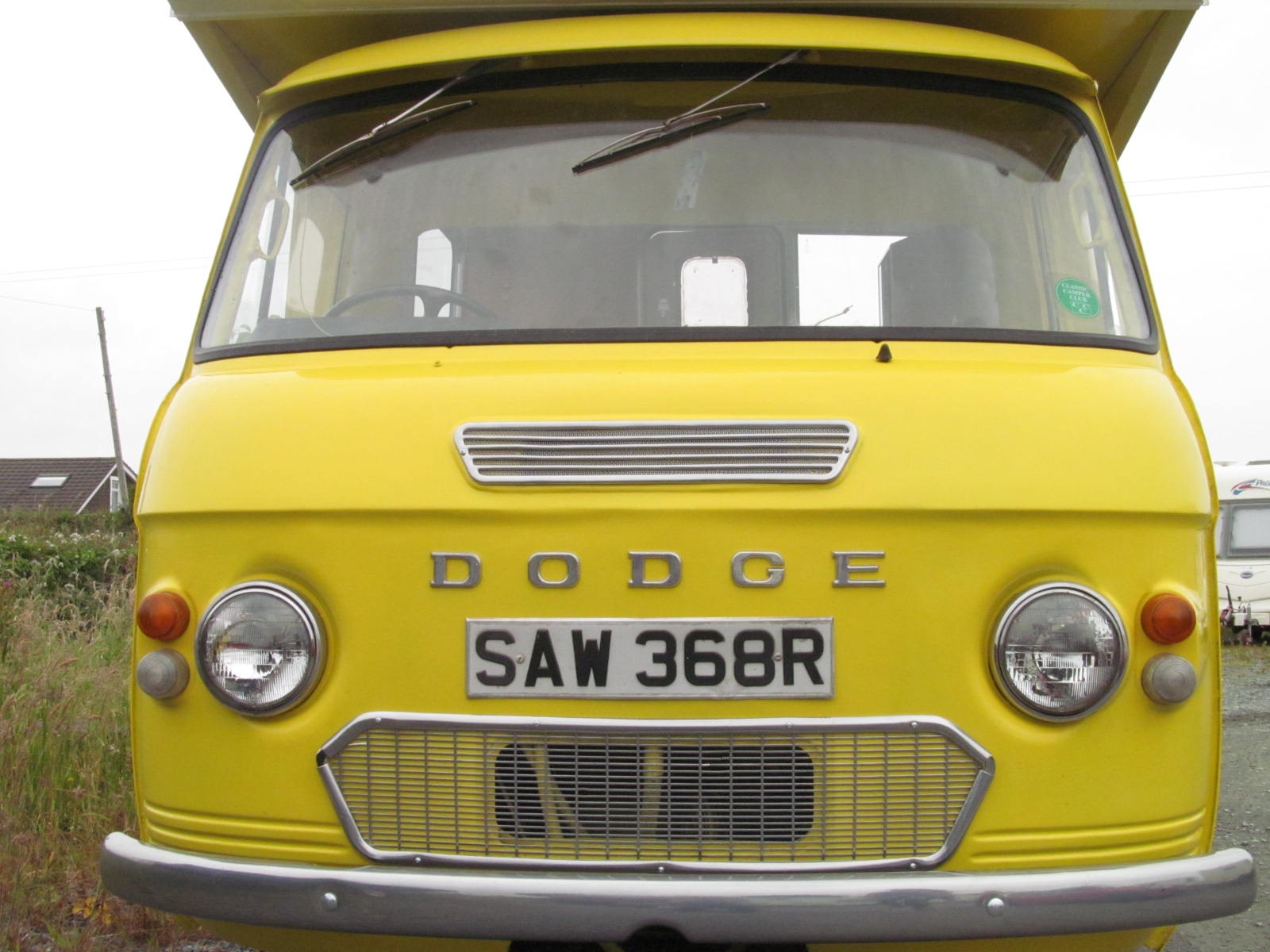

 the van's looking good[8D] Are you trying to put petrol in using a can? If that's the case then try cutting part of the side out of a 2 litre spring water bottle to use as funnel, it can be held in place in the filler by someone while you pour the fuel in.