
You are using an out of date browser. It may not display this or other websites correctly.
You should upgrade or use an alternative browser.
You should upgrade or use an alternative browser.
Compression test reading info?
- Thread starter paulfordy
- Start date
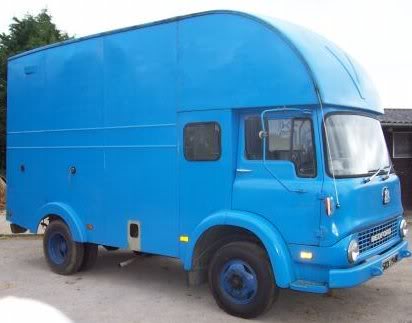


Hi Paul,
You are testing my powers now. Check out Martins piece in chat, a brief history of the Commer van. From what I can gather from the article the HC 1725 engine was standard from '65 to '74 when it became an optional extra. If yours is the original spec, and falls between those dates, then more than likely it is HC. The oracle (manual) states that if you chassis number contains 'J3' then the original spec was HC, eg PBJ3M 2590L 153001DL. If it contains 'J2' then the original spec is low comp. It is difficult to tell by looking at the engine as there are only subtle differences, ie carb choke diameter is 1 mm bigger on HC engine (27 mm as opposed to 26 mm). If anyone else knows different please get in touch.
I recon as long as the compression readings for each cylinder are similar then all should be OK, as long as there is no excessive smoke from the exhaust. If the readings are above 150 psi - fantastic, if they are lower and all is well (no smoke) and the engine runs sweetly then you may have a LC lump, either way you won't get done for speeding on the motorway.
I just know you are going to ask what the rest of the chassis number means.
You are testing my powers now. Check out Martins piece in chat, a brief history of the Commer van. From what I can gather from the article the HC 1725 engine was standard from '65 to '74 when it became an optional extra. If yours is the original spec, and falls between those dates, then more than likely it is HC. The oracle (manual) states that if you chassis number contains 'J3' then the original spec was HC, eg PBJ3M 2590L 153001DL. If it contains 'J2' then the original spec is low comp. It is difficult to tell by looking at the engine as there are only subtle differences, ie carb choke diameter is 1 mm bigger on HC engine (27 mm as opposed to 26 mm). If anyone else knows different please get in touch.
I recon as long as the compression readings for each cylinder are similar then all should be OK, as long as there is no excessive smoke from the exhaust. If the readings are above 150 psi - fantastic, if they are lower and all is well (no smoke) and the engine runs sweetly then you may have a LC lump, either way you won't get done for speeding on the motorway.
I just know you are going to ask what the rest of the chassis number means.
Well today i checked the chassis number.it contains the J3 which means it is HC(if the engine is the original of course).However i have done a compression test and am getting 125 PSI from all four cylinders.Am i to assume that the engine is in poor condition?.Im having problems starting the engine generally.
Hi Paul,
Don't start stripping the engine just yet. If is the type of compression tester I have used (a gauge with a rubber seal you shove down the spark plug hole) then the engine does need to crank over at a fair rate to get a good reading, is the battery OK and did you have all the plugs out when turning the engine over. Try putting a squirt of engine oil down the bore before you do the test, if the readings a significantly higher then you may well have worn bores. If the reading stays the same it could indicate worn valve seats. Does the engine use a lot of oil and smoke badly, if not then it may be all is OK and it is the method of testing, try the comp tester on an engine that is known to be OK. Remember 90% of starting problems are caused by the ignition system so make sure all is OK there before fearing the worst.
I am in no way an expert on engines and my advise is based on experience and advise given to me over the years and it is difficult to give a diagnosis from afar so if there is someone you can trust nearer to home try running these ideas past them and see if they can help.
If anyone else out there has any ideas please join in and help Paul out.
Don't start stripping the engine just yet. If is the type of compression tester I have used (a gauge with a rubber seal you shove down the spark plug hole) then the engine does need to crank over at a fair rate to get a good reading, is the battery OK and did you have all the plugs out when turning the engine over. Try putting a squirt of engine oil down the bore before you do the test, if the readings a significantly higher then you may well have worn bores. If the reading stays the same it could indicate worn valve seats. Does the engine use a lot of oil and smoke badly, if not then it may be all is OK and it is the method of testing, try the comp tester on an engine that is known to be OK. Remember 90% of starting problems are caused by the ignition system so make sure all is OK there before fearing the worst.
I am in no way an expert on engines and my advise is based on experience and advise given to me over the years and it is difficult to give a diagnosis from afar so if there is someone you can trust nearer to home try running these ideas past them and see if they can help.
If anyone else out there has any ideas please join in and help Paul out.
Well no i tested each cylinder individually, with the rest of the plugs left in(ill try your method tommorow).As for if the van smokes a lot that i am not aware of.I brought the van only a few days ago, i got it started there for a few mins before it went on the spec lift.Then i get it home and i have no luck.I have checked for a spark at the plugs which there is but it is weak.Looking closer at the rotor arm i feel a new one would be in order, i may as well treat the van to a new coil and condenser as well eh!.Fuel is flowing to the carb as well, i seem to be flooding it though.
I wont give up nor strip the engine(hopefully!).I have patience and i will have the van running how i want it to!..
thanks for your help panky!
I wont give up nor strip the engine(hopefully!).I have patience and i will have the van running how i want it to!..
thanks for your help panky!
I have had similar carb problems myselfe with both vans I have owned. No choke and foot to the floor usually got it going. Good idea to look at ignition, also check the points gap at all four distributer cam peaks, I found because of wear every one was different and a bit of trial and error was required to get it right. I eventually used a dwell angle meter to set the points up but I found my trial and error method was pretty close. Also don't forget to remove dizzy cap and leads when you crank the engine for the comp test, don't want any stray sparks.